
The Evolving Role of Global Climate Agreements | Pete Betts Memorial Lecture
30 Jul 2026Global climate agreements have successfully created a near-universal framework for cooperation. Still, they have not yet delivered emissions reductions at the scale and speed required to avoid the most dangerous impacts of climate change. A new phase of climate diplomacy is needed. It is likely to depend on a combination of strong multilateral institutions and complementary coalitions that can accelerate implementation, mobilise investment, and raise ambition.
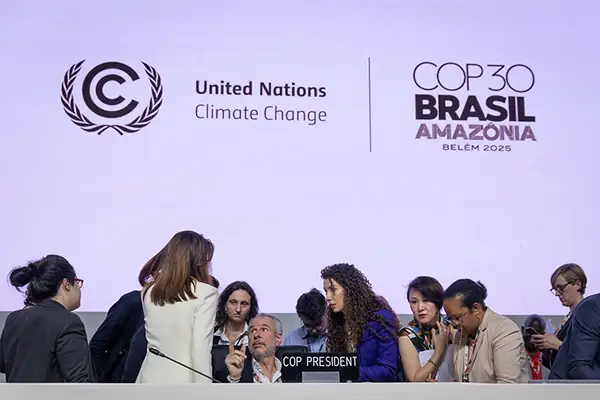
This year’s Pete Betts Memorial Lecture reflects on the evolution of the international climate regime from the UN Framework Convention on Climate Change through the Kyoto Protocol and Paris Agreement to the latest outcomes of COP28 and COP30, examining how climate diplomacy has adapted to changing political realities, economic opportunities, and scientific imperatives. While the Paris Agreement achieved near-universal participation and helped embed climate action into national policy frameworks, and while technological advances such as low-cost renewable energy and rapid growth in electric vehicles offer grounds for optimism, global emissions continue to rise, and current commitments remain insufficient to achieve agreed temperature goals. The lecture explores whether smaller, focused “coalitions of the willing” on issues such as methane, forests, cities, finance, and fossil-fuel transitions can complement the UN process. It argues that the most effective path forward is a pragmatic combination: maintaining the UN climate regime at the centre of international cooperation while building practical partnerships that can drive implementation, accountability, and accelerated action during this decisive decade for climate change.
